Innovative Uses of Recycled Polymer Materials in Modern Manufacturing
- Aria

- Mar 20
- 4 min read
The growing concern for environmental sustainability has led to significant advancements in the use of recycled polymer materials. These materials offer a promising solution to reduce plastic waste and lower the carbon footprint of various industries. Among the pioneers in this field, companies are exploring innovative ways to incorporate recycled polymers into everyday products. This blog post explores the diverse applications of recycled polymer materials, focusing on their transformative impact on manufacturing processes and product design.
The Rise of Recycled Polymer Materials in Industry
Recycled polymer materials have become increasingly popular due to their versatility and environmental benefits. These materials are derived from post-consumer and post-industrial plastic waste, which is processed and transformed into usable raw materials. The use of recycled polymers helps conserve natural resources, reduce landfill waste, and decrease greenhouse gas emissions.
Industries such as packaging, automotive, construction, and footwear manufacturing are adopting recycled polymers to create durable, lightweight, and cost-effective products. For example, recycled polyethylene terephthalate (rPET) is widely used in packaging, while recycled polypropylene (rPP) finds applications in automotive parts.
The benefits of recycled polymer materials include:
Reduced environmental impact by diverting plastic waste from landfills.
Lower production costs compared to virgin plastics.
Energy savings during manufacturing.
Enhanced product sustainability appealing to eco-conscious consumers.

Innovative Applications of Recycled Polymer Materials
The versatility of recycled polymer materials allows for their use in a wide range of innovative applications. Here are some notable examples:
1. Sustainable Footwear Production
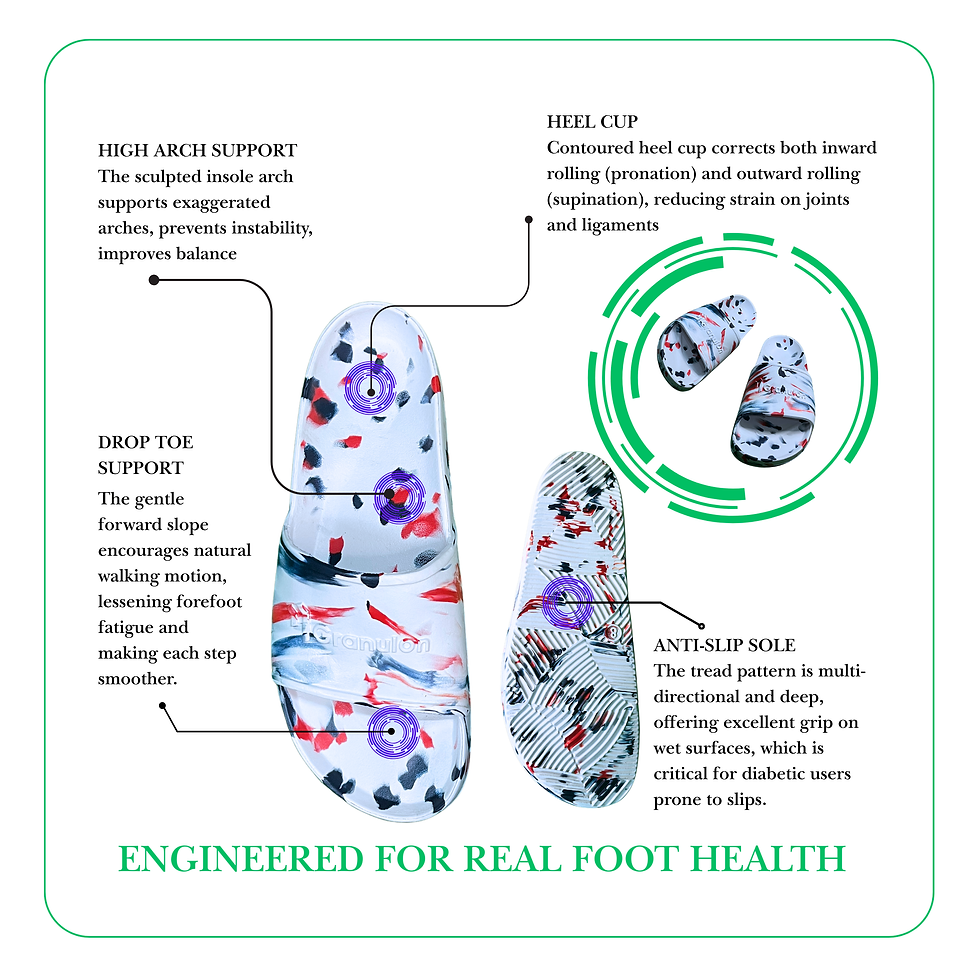
One of the most exciting uses of recycled polymers is in the footwear industry. Companies are now producing shoes with soles, uppers, and insoles made from recycled plastics. This approach not only reduces waste but also creates durable and comfortable footwear.
For instance, recycled polymer materials can be molded into lightweight shoe soles that provide excellent shock absorption and flexibility. The uppers can be crafted from recycled polyester fibers, offering breathability and strength. This combination results in shoes that meet performance standards while supporting environmental goals.
2. Construction Materials
Recycled polymers are increasingly used in construction for products such as insulation panels, piping, and decking. These materials offer resistance to moisture, chemicals, and UV radiation, making them ideal for outdoor and industrial applications.
Using recycled polymers in construction reduces the demand for virgin materials like wood and metal, which often require energy-intensive extraction and processing. Additionally, polymer-based construction materials are often easier to install and maintain.
3. Automotive Components
The automotive industry benefits from recycled polymers by incorporating them into interior and exterior parts. Components such as dashboards, door panels, and bumpers can be manufactured using recycled plastics without compromising quality or safety.
This practice helps reduce vehicle weight, improving fuel efficiency and lowering emissions. It also supports the circular economy by reusing materials from end-of-life vehicles and other plastic waste streams.

What are the materials used in shoe manufacturing by Granulon?
These materials are selected for their durability, flexibility, and ease of processing. Granulon’s proprietary technology allows for precise control over the polymer blend, resulting in soles and midsoles that offer excellent cushioning and wear resistance. The use of recycled polymers also enables the production of lightweight shoe components, enhancing comfort for the wearer.
In addition to polymers, Granulon incorporates recycled textile fibers into shoe uppers, promoting a fully circular product lifecycle. This integration of materials supports the company’s mission to reduce environmental impact while delivering innovative footwear solutions.
Environmental and Economic Benefits of Using Recycled Polymers
Adopting recycled polymer materials offers significant environmental and economic advantages. From an ecological perspective, recycling plastics reduces the volume of waste sent to landfills and oceans. It also lowers the demand for fossil fuels used in producing virgin plastics, thereby decreasing carbon emissions.
Economically, recycled polymers can reduce raw material costs for manufacturers. The energy required to process recycled plastics is generally lower than that needed for virgin materials. This energy efficiency translates into cost savings and a smaller carbon footprint.
Moreover, companies that use recycled polymers often gain a competitive edge by appealing to environmentally conscious consumers. This market segment values transparency and sustainability, which can drive brand loyalty and increase sales.
Future Trends in Recycled Polymer Material Usage
The future of recycled polymer materials looks promising, with ongoing research and development focused on improving material properties and expanding applications. Innovations include:
Advanced recycling technologies such as chemical recycling, which breaks down plastics to their original monomers for reuse.
Bio-based polymers combined with recycled plastics to enhance biodegradability.
Smart materials that incorporate recycled polymers with sensors or self-healing properties.
Customization and 3D printing using recycled polymer filaments for rapid prototyping and production.
These trends will likely accelerate the adoption of recycled polymers across industries, further reducing environmental impact and fostering a circular economy.
Embracing Sustainability with Granulon
As a leader in sustainable footwear manufacturing, granulon is reshaping the future by pioneering the use of recycled polymers. Their commitment to innovation and environmental responsibility sets a benchmark for the industry. By integrating recycled polymer materials into their products, they support a circular economy and promote eco-friendly practices.
The company’s approach demonstrates that sustainability and performance can coexist. Their products cater to diverse sectors, including casual wear, industrial applications, and athletic footwear. This versatility highlights the potential of recycled polymers to transform manufacturing and consumer habits.
By choosing products made with recycled polymer materials, consumers and businesses contribute to a healthier planet. The ongoing development and adoption of these materials will play a crucial role in achieving global sustainability goals.
This exploration of recycled polymer materials reveals their vast potential to revolutionize manufacturing. From footwear to automotive parts, these materials offer practical solutions that benefit both the environment and the economy. As innovation continues, recycled polymers will become an integral part of sustainable product design and production.


Comments